







A dental bridge literally bridges the gap left by missing teeth. We crown the teeth on either side of the gap and attach a false tooth (or teeth) between them, creating a fixed replacement that looks natural and restores full chewing function.
A dental bridge replaces one or more missing teeth by anchoring to the natural teeth on either side of the gap. Think of it like building an actual bridge. You need strong supports on both ends with the bridge spanning the space between.
Here’s how it works. We prepare the teeth on either side of your gap (called abutment teeth) by shaping them for crowns. We take impressions and send them to a dental laboratory. The lab creates a custom bridge consisting of crowns for the abutment teeth with false teeth (pontics) attached between them. Everything is made as one connected piece.
At your second appointment about 2-3 weeks later, we fit the bridge permanently. It’s bonded in place with dental cement, so it doesn’t come out. You clean around it with regular brushing and special floss threaders, but otherwise it functions just like natural teeth.
Bridges have been replacing missing teeth successfully for decades. While dental implants are often the gold standard now, bridges remain an excellent option for many Canterbury patients, particularly when implants aren’t suitable or desired.
Not all bridges are built the same way. We use different types depending on where your missing tooth is and what teeth surround it.
This is the most common type. We crown teeth on both sides of the gap, with the false tooth (or teeth) suspended between them. Both adjacent teeth are prepared for crowns. The bridge consists of two crowns with pontic teeth attached in the middle, all made as one solid piece.
Best for replacing one, two, or occasionally three consecutive missing teeth when you have strong natural teeth on both sides. Very strong and stable because it’s supported on both ends. Can handle the chewing forces of back teeth with predictable, long-lasting results.
The trade-off? Requires preparing (grinding down) healthy teeth on both sides of the gap for crowns. You’re permanently altering those teeth to replace the missing one.
A bridge anchored on one side only, like a diving board fixed at one end but free at the other. We crown the tooth on just one side of the gap. The false tooth extends out from that crown, bridging the gap without support on the far side.
Best for replacing a single missing tooth when there’s only one adjacent tooth available (or when the tooth on the other side is too weak to support a bridge). Only one tooth needs preparing instead of two.
The trade-off? Less stable than traditional bridges because support comes from one side only. Generally used for front teeth where chewing forces are lighter. Not suitable for back teeth that handle heavy biting forces.
A conservative bridge that bonds to the back of adjacent teeth with metal or porcelain wings, requiring minimal tooth preparation. The false tooth has small wings on either side that we bond to the backs of adjacent teeth. Very little tooth preparation is needed, just roughening the surface for bonding.
Best for replacing single missing front teeth in patients who want to avoid significant tooth preparation and aren’t suitable implant candidates. Minimal damage to adjacent teeth. Reversible if you decide on implants later.
The trade-off? Less strong than traditional bridges. Can occasionally debond and need re-cementing. Not suitable for back teeth. Generally considered a medium-term solution rather than permanent.
During your consultation at our London Road practice, we’ll assess your specific situation and recommend which bridge type makes most sense. There’s rarely one obvious answer, so we’ll discuss the pros and cons of each option for your case.
Patients consider bridges when they’re dealing with the practical and aesthetic problems that missing teeth create.
You’re missing one or more teeth. Gaps in your smile affect your confidence and how you eat. You avoid smiling in photos. Chewing certain foods becomes difficult or impossible. You’re tired of adjusting your life around missing teeth.
The remaining teeth are shifting. When teeth go missing, adjacent teeth drift into the space and opposing teeth over-erupt. This creates bite problems, makes teeth harder to clean, and can lead to jaw pain. Bridges prevent this shifting by filling the gap permanently.
You can’t have dental implants. Maybe your jawbone isn’t suitable for implants and you don’t want bone grafting. Maybe health conditions make implant surgery too risky. Maybe you simply don’t want surgery. Bridges offer a non-surgical alternative for permanent tooth replacement.
You want fixed teeth, not dentures. Removable partial dentures solve the gap but come out every night. You want teeth that stay in your mouth permanently and feel more like real teeth. Bridges are fixed solutions that only a dentist can remove.
Implants don’t fit your budget. Dental implants cost significantly more than bridges. If budget is a primary concern and you have strong teeth on either side of your gap, bridges provide excellent results at lower cost.
You’re replacing an old bridge. Existing bridges don’t last forever. After 10-15 years, they often need replacement. If your current bridge is failing and the supporting teeth are still healthy, a new bridge makes perfect sense.
You need a solution relatively quickly. Bridges take 2-3 weeks from start to finish. Implants take 4-6 months due to healing time. If you need your gap filled faster (maybe for a wedding or important work event), bridges fit tighter timelines.
If you’re weighing up your tooth replacement options, we’ll discuss bridges, implants, and dentures honestly during your consultation so you can make an informed decision.
Fixed permanently in your mouth. Unlike dentures that come out nightly, bridges stay in place 24/7. They’re bonded to your teeth and only a dentist can remove them. You’ll eat, speak, and smile without worrying about anything moving or slipping.
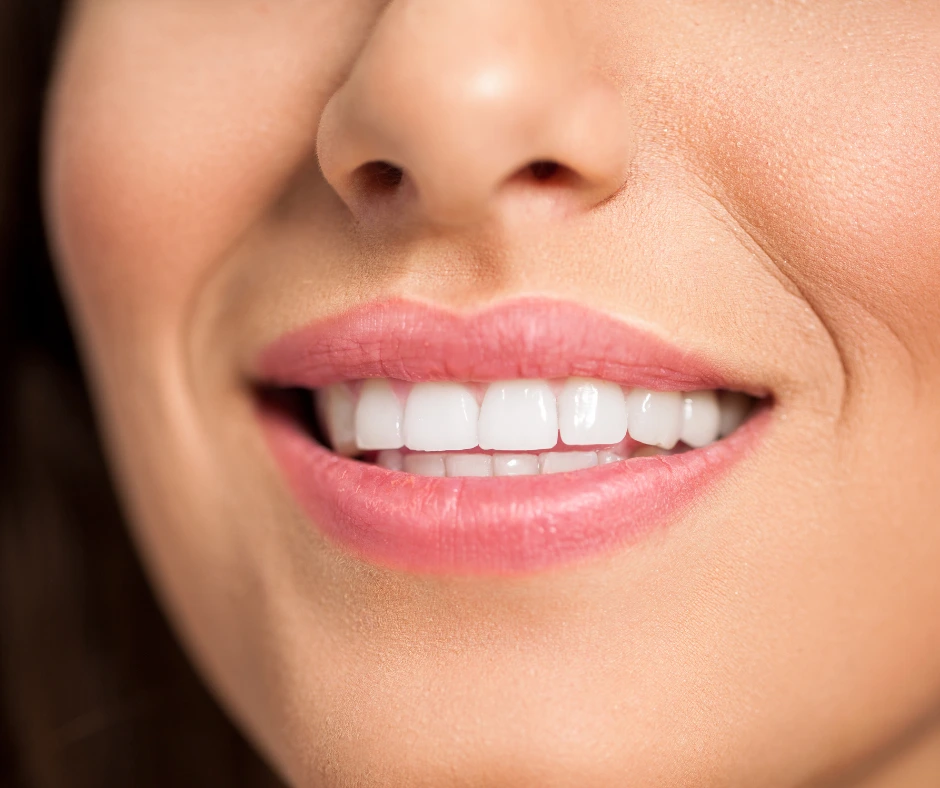
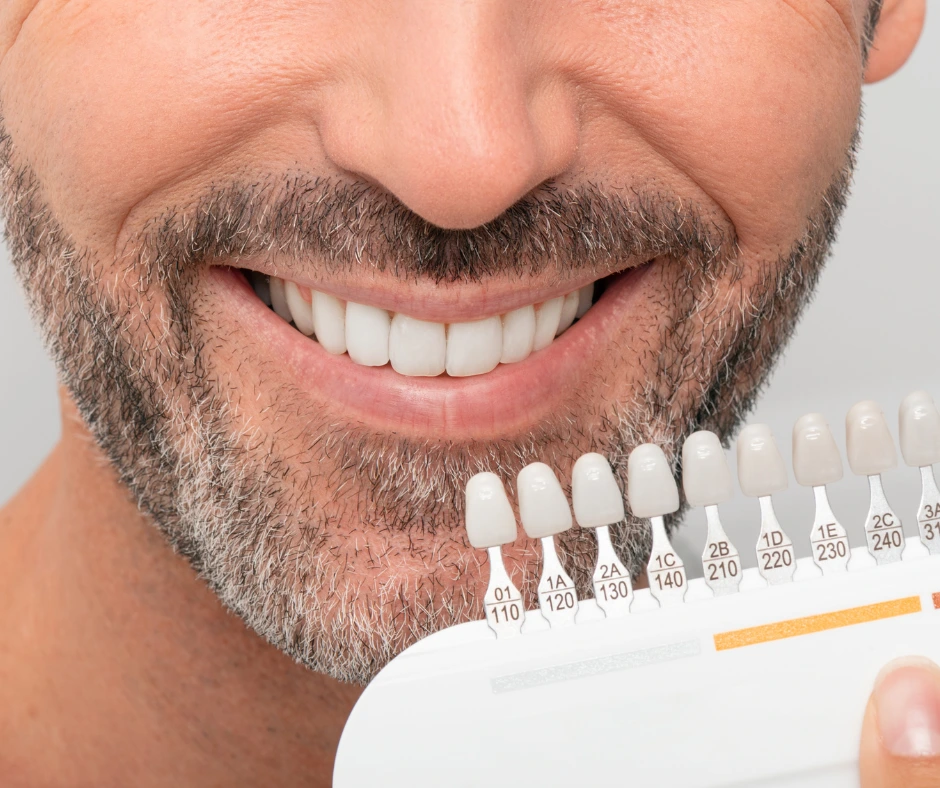
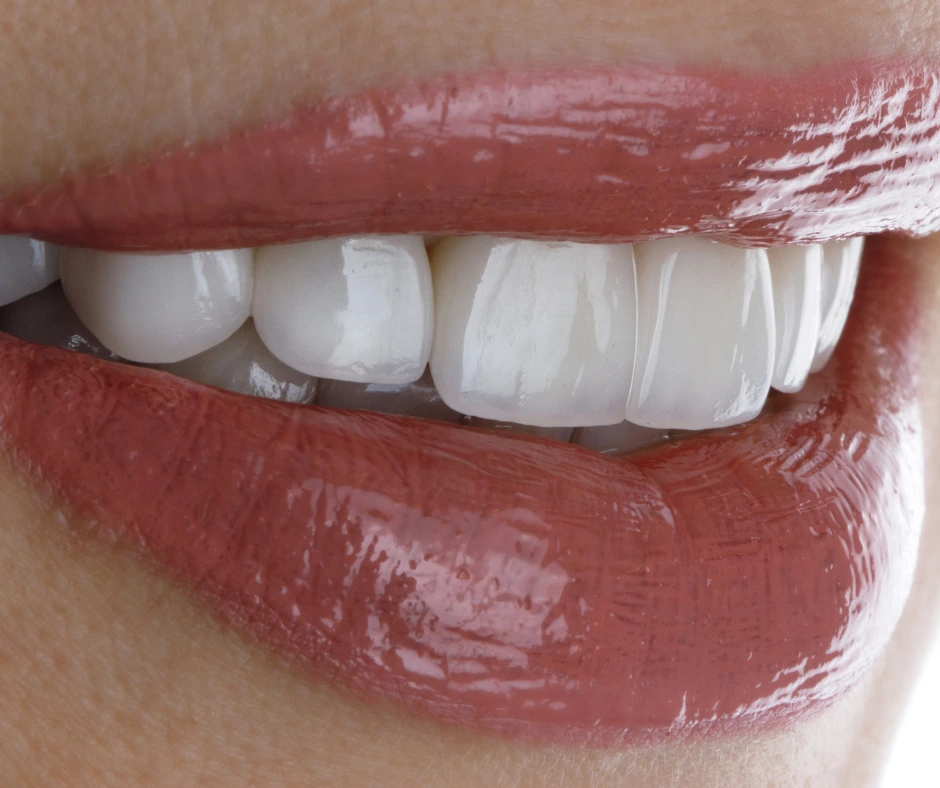
It looks completely natural. Modern dental bridges are made from porcelain carefully shade-matched to your natural teeth. When done well, nobody can tell which teeth are your bridge and which are natural. The false teeth blend seamlessly with your smile.
Restore full chewing function. You can eat normally again. Steak, apples, nuts, crusty bread. Foods you’ve been avoiding because of missing teeth become manageable. Bridges handle normal chewing forces well, particularly traditional bridges supported on both sides.
Prevent teeth shifting. Missing teeth create gaps that adjacent teeth drift into over time. This shifting causes bite problems, makes cleaning harder, and can lead to further tooth loss. Bridges maintain proper spacing and keep your remaining teeth in correct positions.
Faster than implants. The entire bridge process takes 2-3 weeks from first appointment to final fitting. Compare that to implants which require 4-6 months of healing time.
More affordable than implants. Bridges typically cost less than dental implants, sometimes significantly less depending on how many teeth you’re replacing. If budget matters and you have healthy adjacent teeth, bridges offer excellent value.
No surgery required. Some patients simply don’t want surgery. Bridges involve tooth preparation and impressions but no cutting into gums or bone.
Proven track record. With proper care, bridges routinely last 10-15 years before needing replacement. Some last significantly longer.
We examine your mouth, assess the teeth on either side of your gap, and discuss whether a bridge is appropriate for your situation. Not every case suits bridges. We need strong, healthy teeth adjacent to the gap for support.
We’ll be honest if implants would serve you better long-term, or if your supporting teeth are too weak for bridges. We’ll look at X-rays to check bone levels and root health of potential abutment teeth. You’ll understand exactly what the process involves, see photos of bridges we’ve done previously, and receive clear pricing.
After numbing the adjacent teeth, we reshape them carefully for crowns. This involves removing a thin layer of enamel all around each tooth to create space for the crown portion of your bridge. The amount removed is similar to crown preparation, typically 1-2mm of tooth structure.
Worth being honest here. Once we’ve prepared teeth for a bridge, those teeth will always need crowns protecting them. This is one reason why implants are often preferred for younger patients when the adjacent teeth are perfectly healthy. We’re permanently altering healthy teeth to replace the missing one.
We take detailed impressions of your prepared teeth, the opposing teeth, and your bite. These go to our dental laboratory where skilled technicians will craft your custom bridge over the next 2-3 weeks. We fit a temporary bridge to protect your prepared teeth and fill the gap cosmetically while your permanent bridge is being made.
Your dental laboratory creates your bridge, building it to precise specifications and shade-matching the porcelain to your natural teeth. This craftsmanship takes time but ensures excellent results.
We remove your temporary bridge and try on the permanent one without cementing it first. This lets you see the result in a mirror and ensures the fit, bite, and colour are correct. If adjustments are needed, we make them now before permanent bonding.
Once you’re happy with the fit and appearance, we clean the bridge and your prepared teeth thoroughly, then bond the bridge permanently using dental cement. We check your bite meticulously to ensure everything feels comfortable. You leave with your completed bridge, fully functional and permanent.
Bridges require slightly more attention than natural teeth for cleaning. You’ll need to floss under the false tooth using floss threaders or special bridge floss. Regular brushing twice daily and six-monthly check-ups keep your bridge and supporting teeth healthy.
With proper care, bridges commonly last 10-15 years. Eventually the cement can weaken, porcelain can chip, or the supporting teeth can develop problems. When that happens, we replace the bridge. Nothing lasts forever, but 10-15 years is excellent longevity for a dental restoration.
Dental bridge costs depend on how many teeth you’re replacing and which type of bridge you need:
Traditional bridge (replacing 1 missing tooth): £[price range] – includes crowns on both adjacent teeth plus the false tooth between them.
Traditional bridge (replacing 2 missing teeth): £[price range] – crowns on both adjacent teeth plus two false teeth between them.
Maryland bridge (single tooth): £[price range] – conservative option with minimal tooth preparation.
What’s included: Free consultation, tooth preparation, temporary bridge, custom laboratory-made bridge, permanent bonding, and all adjustments needed.
Compared to other options: Dental implants cost approximately £[implant price] per missing tooth, so bridges often represent significant savings, particularly when replacing multiple consecutive teeth. Partial dentures cost around £[denture price] but are removable rather than fixed.
Interest-free payment plans available over 12 months to spread costs if that makes treatment more accessible.
Call 01227 765 851 for exact pricing based on your specific situation.
We take the time to understand your medical history, assess your dental health, and create a treatment plan that works for your budget and timeline. Your smile is your story, and every story deserves individual attention.
Dr Banvir's MSc in Aesthetic & Restorative Dentistry represents specialist-level training you'd typically need referrals to access. His three years working in Maxillo-Facial Surgery means he's handled complex cases most general dentists never see.
Digital X-rays with minimal radiation. Intraoral cameras so you can see exactly what we're seeing. Comprehensive record-keeping that tracks changes over time. We invest in technology because it genuinely improves your experience and treatment outcomes.
Generations of Canterbury families have trusted us with their dental health. That kind of loyalty doesn't come from flashy marketing. It comes from delivering quality care consistently over decades.
Dental anxiety is far more common than you think. We work at your pace, explain everything before we begin, and create an environment where you feel in control. Many of our most nervous patients now attend regular check-ups without that familiar dread.
Looking for a dentist you can actually stick with?
Registering with A1 Dental Surgery means your care is planned properly, explained clearly, and delivered consistently over years. Not patched together across disconnected appointments at different practices.
Your first visit focuses on understanding your story. We assess your dental health, discuss your goals and concerns, and map out a realistic treatment plan that respects both your timeline and budget.
What registration means:
Dental bridges typically last 10-15 years with proper care. Some last significantly longer, particularly if you maintain excellent oral hygiene and attend regular check-ups. Longevity depends on several factors: how well you clean around the bridge, the health of the supporting teeth, the forces your bridge handles (back teeth wear faster than front teeth), and whether you grind your teeth.
Eventually cement weakens, porcelain chips, or supporting teeth develop problems requiring bridge replacement. Nothing lasts forever, but 10-15 years is solid longevity for a dental restoration.
Yes, after an initial adjustment period. For the first few days, bridges feel foreign and bulky. Your tongue constantly explores them. Within a week or two, your mouth adapts and they start feeling normal. Within a month, most patients stop thinking about their bridge entirely. It just feels like teeth.
Eating, speaking, and smiling all feel natural once you've adjusted. The exception is cleaning, which requires floss threaders to clean under the false tooth, reminding you daily that it's not a natural tooth.
Preparing teeth for bridge crowns involves permanently removing enamel, which changes those teeth forever. They'll always need crowns protecting them from that point forward. This is the main argument for implants over bridges when adjacent teeth are perfectly healthy.
However, if those adjacent teeth already have large fillings or previous crowns, preparing them for a bridge isn't damaging healthy teeth. It's utilising teeth that need crowns anyway. We'll discuss this honestly during consultation based on your specific situation.
Yes, once the bridge is permanently bonded and you've adjusted to it. You can eat steak, apples, crusty bread, nuts, and other foods you've been avoiding due to missing teeth. Bridges handle normal chewing forces well.
Sensible precautions apply: don't chew ice or very hard sweets on any teeth (natural or bridged), and avoid using front teeth to bite into extremely hard foods. Otherwise, eat normally and enjoy foods you've been missing.
Dental bridges cost £[price range] for replacing a single missing tooth (including crowns on both adjacent teeth plus the false tooth). Replacing two consecutive missing teeth costs £[price range]. Maryland bridges cost approximately £[price range].
This is typically less expensive than dental implants (approximately £[implant price] per missing tooth) while providing permanent fixed tooth replacement. We offer interest-free payment plans over 12 months.
Call 01227 765 851 for specific pricing for your situation.
A bridge uses adjacent natural teeth for support, requiring those teeth to be crowned. An implant replaces both the tooth and its root with a titanium post in your jawbone, leaving adjacent teeth untouched.
Implants preserve healthy tooth structure and prevent bone loss, but cost more and require surgery with 4-6 months healing time. Bridges are faster (2-3 weeks), more affordable, and don't require surgery, but permanently alter adjacent teeth.
Both are excellent options. The right choice depends on your specific situation, budget, and timeline. We'll discuss both honestly during your consultation.
Yes, bridges can replace multiple consecutive missing teeth. For example, if you're missing three teeth in a row, we can place crowns on the teeth at either end and attach three false teeth between them.
However, replacing many consecutive teeth requires very strong supporting teeth on both ends. In some cases, multiple separate bridges or dental implants might be more appropriate. We'll assess what's feasible during your consultation.
The complete process takes 2-3 weeks from first appointment to final fitting. Your first appointment (tooth preparation and impressions) takes 60-90 minutes. The laboratory then creates your custom bridge over 2-3 weeks. Your second appointment (bridge fitting) takes 45-60 minutes.
If you need same-day treatment, we can't provide that with bridges. The laboratory craftsmanship required for natural-looking, well-fitting bridges takes time. However, you'll wear a temporary bridge between appointments so you're never without teeth.
If your bridge feels uncomfortable after fitting, contact us immediately. Common issues include a bite that feels too high (we adjust this by carefully reshaping the bridge), sharp edges irritating your tongue or cheek (we smooth these), or the bridge feeling loose (this is rare with modern cements but needs addressing).
Most adjustment issues can be resolved quickly at the practice. Don't wait and hope discomfort will improve on its own. We're centrally located on London Road in Canterbury (near Canterbury East Station with on-site parking), making it easy to pop in, whether you're local or travelling from Deal, Dover, or Ramsgate.
Generally, we don't recommend bridges for children whose jaws are still growing. The bridge would need replacing as the jaw develops, and we'd rather not permanently alter healthy teeth at a young age.
If a child loses a permanent tooth due to trauma or other issues, we typically use a removable partial denture or space maintainer until they're old enough for a dental implant (usually late teens when jaw growth is complete).
Exceptions exist for specific situations, which we'd discuss during consultation if relevant to your child.