







Building positive dental habits starts early. At A1 Dental Surgery, we make children’s dental visits comfortable, educational, and even fun. Our experienced team helps your child develop a lifetime of healthy smiles through gentle care, patient explanations, and rewards for bravery.
Children’s dentistry (paediatric dentistry) provides dental care specifically for babies, toddlers, children, and teenagers. At our Canterbury practice on London Road, we focus on prevention, early intervention, and creating positive experiences that help children feel comfortable about dental visits throughout their lives.
We treat everything from first dental check-ups for babies to cavity prevention, fillings, and orthodontic assessments for teenagers. Our team understands that children aren’t just small adults. They need age-appropriate explanations, gentle handling, and patience. Starting dental visits early, ideally around age one or when the first tooth appears, establishes good habits and catches developmental issues before they become problems.
Baby teeth might be temporary, but they’re far from unimportant. Early dental care sets the foundation for a lifetime of oral health.
They enable proper eating. Children need healthy teeth to chew food properly for nutrition and development. They support speech development. Teeth are essential for forming certain sounds. Missing or damaged front teeth can affect speech development. They hold space for adult teeth. Baby teeth act as placeholders. If a baby tooth is lost too early, surrounding teeth can drift into the space, causing crowding when the adult tooth tries to erupt.
Children who have positive early dental experiences develop healthy attitudes towards oral care. They’re more likely to attend regular check-ups throughout life, maintain good oral hygiene habits, seek treatment promptly when problems arise, and feel comfortable rather than fearful about dental care.
Conversely, negative early experiences create dental anxiety that persists into adulthood. Many adults with dental phobia trace their fear to frightening childhood experiences.
Regular children’s dental visits focus on catching decay early when treatment is simple, applying fluoride to strengthen developing teeth, placing fissure sealants to protect vulnerable molars, monitoring tooth development and jaw growth, identifying habits (thumb-sucking, mouth breathing) that affect development, and teaching proper brushing and flossing techniques.
Prevention is always easier, less expensive, and less traumatic than treating advanced problems.
Start dental visits early to establish good habits and catch potential problems before they develop.
We recommend bringing your child for their first dental visit around their first birthday or within six months of their first tooth appearing, whichever comes first. Early visits get your child comfortable with the dental environment, check teeth and gums are developing normally, provide guidance on teething and oral hygiene, apply fluoride if appropriate, and answer your questions about your child’s dental development.
First appointments are brief and gentle. We focus on making the experience positive rather than performing extensive treatment. Your child sits on your lap in the dental chair. We examine their mouth, teeth, and gums gently, check jaw development and bite, count teeth and look for any concerns, may clean teeth very gently if your child cooperates, and discuss diet, oral hygiene, and fluoride.
We explain everything we’re doing in age-appropriate language. If your child is nervous or uncooperative, we never force anything. The goal is building positive associations, not traumatising them.
Talk positively about the dentist in the days before. Avoid phrases like “don’t worry, it won’t hurt” which introduce the idea of pain they weren’t considering. Read books about visiting the dentist. Many children’s books present dental visits as fun adventures. Play dentist at home. Count each other’s teeth, practise opening wide, and make it a game. Stay calm yourself. Children pick up on parental anxiety. Arrive early so your child isn’t rushed and has time to get comfortable with the environment.
We provide comprehensive dental care tailored to your child’s age and developmental stage.
Routine check-ups: Regular six-monthly check-ups monitor your child’s dental development, catch problems early, and reinforce good oral hygiene habits. Check-ups for young children take just 10-15 minutes and include plenty of praise and encouragement.
Professional cleaning and fluoride: Professional cleaning removes plaque and tartar that brushing misses, particularly important as children develop their brushing skills. We apply fluoride varnish to strengthen enamel and protect against decay. Fluoride application takes seconds. We paint it onto teeth and ask your child not to eat or drink for 30 minutes while it absorbs.
Fissure sealants: Protective plastic coatings applied to the chewing surfaces of back teeth (molars). Deep grooves in these teeth trap food and bacteria, making them vulnerable to decay. Sealants are applied when adult molars erupt (typically ages 6-7 and 11-13). The procedure is completely painless. We clean and dry the tooth, prepare the surface with a mild acid gel, paint sealant into the grooves, and harden it with a blue light in seconds. Sealants can last several years and significantly reduce decay risk.
Fillings for children: If your child develops a cavity, we use tooth-coloured composite fillings that blend with natural teeth. We explain the procedure in age-appropriate terms and use gentle techniques. Local anaesthetic ensures your child won’t feel pain during treatment. We can apply numbing gel first and use very fine needles to minimise discomfort.
Tooth extractions: Sometimes baby teeth need extracting if decay is too extensive to repair, teeth are very loose and bothering your child, baby teeth aren’t falling out naturally and are blocking adult teeth, or overcrowding requires strategic removal. We make extractions as gentle and stress-free as possible.
Emergency treatment: Children’s dental emergencies include knocked-out teeth from sports or falls, broken or chipped teeth, severe toothache, dental abscesses, and injuries to lips, tongue, or gums. We see children with dental emergencies same-day. Call 01227 765 851 immediately if your child has dental pain or injury.
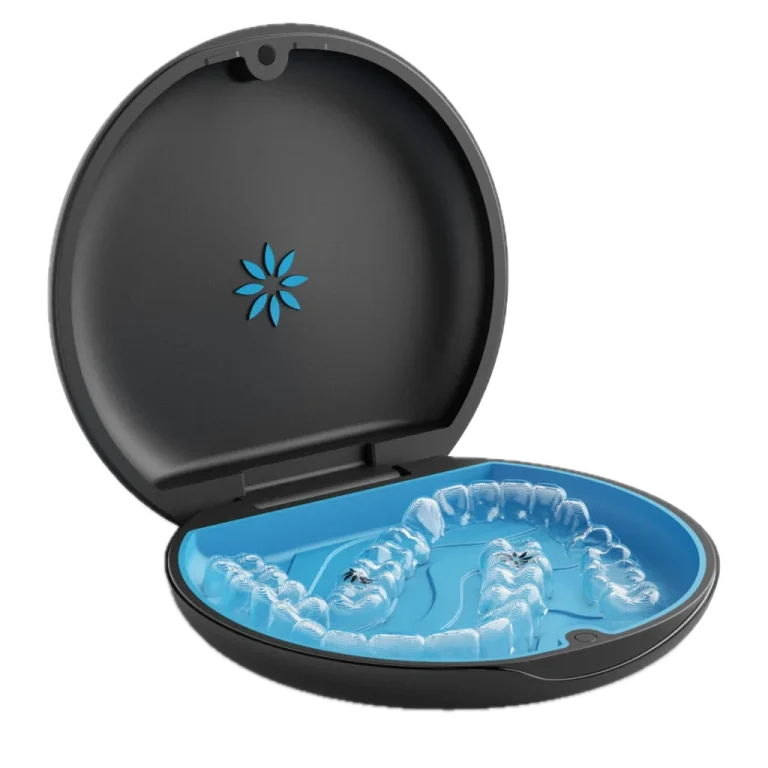
Orthodontic assessment: We monitor your child’s bite development and tooth alignment during routine check-ups. If orthodontic treatment like braces or Invisalign might benefit them, we’ll discuss this with you when they’re the appropriate age (typically 10-14 years old).
Our approach focuses on making children feel safe and cooperative.
Age-appropriate communication: We explain procedures in language children understand, avoiding scary dental terminology. For young children, we might say “Mr Thirsty” for the suction tool or “counting your teeth” instead of “examination.” We show children instruments before using them and demonstrate on our finger first so they know what to expect.
Praise and rewards: We celebrate cooperation and bravery enthusiastically. Small achievements like sitting in the chair, opening wide, or letting us count teeth all deserve praise. After their visit, children receive stickers and rewards for being good patients. This positive reinforcement makes them look forward to their next visit.
Gentle techniques: We work patiently at your child’s pace. If they need a break, we stop immediately. If they’re not ready for a particular procedure, we don’t force it. We build confidence gradually over multiple visits.
Distraction and engagement: For anxious children, we use distraction techniques like asking them about school, hobbies, or favourite activities, letting them hold a small toy or stress ball, counting games during procedures, and explaining what we’re doing in fun, engaging ways.
Parent involvement: For young or nervous children, you’re welcome to stay with them during appointments. Sometimes your presence is reassuring. Other times children cooperate better without parental anxiety. We’ll guide you on what works best for your child. For older children and teenagers, we sometimes ask parents to wait in reception. This helps teenagers feel more independent and often encourages them to communicate directly with us about their oral health.
Babies (0-2 years): Start cleaning as soon as first teeth appear using a tiny smear of fluoride toothpaste. Avoid giving bottles in bed. Schedule first dental visit around age one. Common issues: teething discomfort, bottle tooth decay prevention.
Toddlers (2-5 years): Supervise brushing twice daily with pea-sized fluoride toothpaste. Discourage thumb-sucking beyond age 3-4. Regular six-monthly check-ups. Common issues: tooth decay, thumb-sucking habits, early childhood cavities.
School-age children (6-12 years): First adult molars erupt around age 6. Get fissure sealants applied. Continue supervised brushing until age 7-8. Adult front teeth replace baby teeth. Common issues: decay in new molars, orthodontic development, sports injuries.
Teenagers (13-18 years): Encourage independent oral care responsibility. Consider orthodontic treatment if needed. Be vigilant about wisdom teeth development. Common issues: orthodontic treatment, wisdom teeth, sports injuries, neglecting oral hygiene.
NHS children’s dental care is completely free for those under 18 (or under 19 in full-time education). This includes regular check-ups and examinations, X-rays when needed, professional cleaning and fluoride application, fissure sealants, fillings, extractions, and emergency treatment.
There’s no charge for any necessary dental treatment for children registered with us as NHS patients.
We’re accepting new child patients for NHS treatment. Call 01227 765 851 to register your child and book their first appointment.
We take the time to understand your medical history, assess your dental health, and create a treatment plan that works for your budget and timeline. Your smile is your story, and every story deserves individual attention.
Dr Banvir's MSc in Aesthetic & Restorative Dentistry represents specialist-level training you'd typically need referrals to access. His three years working in Maxillo-Facial Surgery means he's handled complex cases most general dentists never see.
Digital X-rays with minimal radiation. Intraoral cameras so you can see exactly what we're seeing. Comprehensive record-keeping that tracks changes over time. We invest in technology because it genuinely improves your experience and treatment outcomes.
Generations of Canterbury families have trusted us with their dental health. That kind of loyalty doesn't come from flashy marketing. It comes from delivering quality care consistently over decades.
Dental anxiety is far more common than you think. We work at your pace, explain everything before we begin, and create an environment where you feel in control. Many of our most nervous patients now attend regular check-ups without that familiar dread.
Looking for a dentist you can actually stick with?
Registering with A1 Dental means your care is planned properly, explained clearly, and delivered consistently over years. Not patched together across disconnected appointments at different practices.
Your first visit focuses on understanding your story. We assess your dental health, discuss your goals and concerns, and map out a realistic treatment plan that respects both your timeline and budget.
What registration means:
Bring your child for their first dental visit around their first birthday or within six months of their first tooth appearing. Early visits establish familiarity with the dental environment, allow us to check development is normal, and provide you with guidance on caring for your child's teeth.
Starting early means dental visits become a normal, non-scary part of life. Children who begin visits as babies rarely develop dental anxiety.
Most children should visit the dentist every six months. Some children at higher risk of decay might need more frequent visits (every 3-4 months), whilst those with excellent oral health might extend to annual visits.
We'll recommend an interval based on your child's individual needs. Regular visits catch problems early and reinforce good habits.
Yes, all dental treatment for children under 18 (or under 19 if in full-time education) is free on the NHS. This includes regular check-ups and examinations, X-rays when needed, professional cleaning and fluoride application, fissure sealants, fillings, extractions, and emergency treatment.
There's no charge for any necessary dental treatment for children registered with us as NHS patients.
Many children feel nervous about dental visits initially. We're experienced at helping anxious children feel comfortable through patient, gentle approach with no rushing, age-appropriate explanations, praise and rewards for cooperation, building confidence gradually over multiple visits, and allowing breaks whenever needed.
Talk positively about dental visits at home and avoid transferring your own dental anxiety to your child. Most children overcome initial nervousness after one or two positive experiences.
If your child has severe anxiety, let us know when you book. We can allow extra time and discuss strategies that might help.
For babies (before teeth appear), wipe gums gently with a clean, damp cloth after feeds.
For babies with first teeth, use a tiny smear of fluoride toothpaste (1000ppm fluoride) on a soft baby toothbrush. Brush gently twice daily.
For children 3-6 years, use a pea-sized amount of fluoride toothpaste (1000ppm). Supervise brushing to ensure they don't swallow toothpaste. Brush twice daily for two minutes.
For children 7+ years, use fluoride toothpaste (1350-1500ppm). Supervise until around age 7-8 to ensure proper technique. Brush twice daily for two minutes.
Brush last thing at night and one other time during the day. Don't rinse after brushing, just spit out excess toothpaste. This leaves fluoride on teeth for maximum protection.
Start flossing when teeth touch each other with no gaps between, typically around age 2-3. Young children need help with flossing until around age 10 when they develop the dexterity to do it properly themselves.
Focus on flossing between back teeth where decay often starts. Even if you only manage a few teeth initially, it's better than nothing.
Yes, baby teeth are crucial for chewing food properly for nutrition, speech development, holding space for adult teeth, building confidence and self-esteem, and indicating overall health.
Losing baby teeth too early due to decay can cause space loss, leading to crowded adult teeth requiring orthodontic treatment. Untreated decay in baby teeth can damage developing adult teeth underneath.
For knocked-out baby teeth, don't try to reinsert them. Baby teeth are not replanted. Call us for advice on managing the situation and whether your child needs to be seen.
For knocked-out adult teeth, find the tooth immediately, hold it by the crown (never the root), rinse briefly if dirty (use milk or saline, not water), try to reinsert it into the socket if possible, and if you can't reinsert it, keep it in milk or inside your child's cheek. Call us immediately on 01227 765 851. Get to the dentist within 30 minutes. Time is critical for saving knocked-out adult teeth.
Brush teeth twice daily with fluoride toothpaste and supervise until they're around 7-8 years old. Limit sugar frequency. It's not how much sugar but how often that matters. Constant snacking bathes teeth in acid all day. Limit sugary foods and drinks to mealtimes.
Avoid sugary drinks between meals. Water and milk are best. If giving juice, dilute it heavily and offer it with meals only.
Attend regular check-ups every six months so we can catch any problems early and apply preventive treatments like fluoride and fissure sealants.
Don't put babies to bed with bottles of milk, formula, or juice. This bathes teeth in sugar overnight, causing severe decay.
Encourage healthy snacks like cheese, vegetables, and fruit rather than sweets, biscuits, and crisps.
Absolutely. Many families travel to us from Deal, Dover, Ramsgate, and Margate for children's dental care. Our practice is centrally located on London Road in Canterbury (near Canterbury East Station with on-site parking), making us easily accessible. The journey takes around 20-30 minutes from these areas, which is manageable for six-monthly check-ups.