Somebody in the office mentioned it first. A colleague came back from the summer holidays looking noticeably brighter, and suddenly three people at the next desk were Googling whitening strips on their lunch breaks. It happens a lot.
Teeth whitening has gone from niche to normal, and Canterbury residents are no exception. The trouble is that the market is full of products making promises that range from optimistic to outright misleading. Walk into any pharmacy on the High Street and you’ll find shelves of whitening toothpastes, strips, pens and kits, most of which share one characteristic: they either don’t do much, or they carry risks that aren’t clearly explained on the packaging.
At A1 Dental Surgery on London Road, Dr Somitra Banvir fields questions about teeth whitening almost every week. The honest version of this conversation is worth having properly, which is what this post is for. Not a product pitch. Just what actually works, what doesn’t, and what you should avoid.
Why Teeth Lose Their Colour in the First Place
Teeth don’t just turn yellow overnight. The process is gradual, and it happens through two different mechanisms that affect which treatments can actually help.
Surface staining builds up on the enamel from food and drink. Coffee is the main culprit for most people, along with tea, red wine and, if you smoke, tobacco. These stains sit on the outer layer of the tooth and respond well to professional cleaning and some whitening products.
Intrinsic discolouration is different. This is staining within the tooth structure itself, caused by ageing, certain antibiotics taken in childhood (tetracycline is the most common), fluorosis, or trauma to a tooth. Surface whitening products do very little here. Intrinsic staining often requires more targeted treatment, and some cases are better addressed with composite bonding or veneers rather than whitening alone.
The reason this distinction matters: a whitening toothpaste can only ever address the outer surface. It cannot reach inside the tooth. Anyone selling you a product claiming to reverse deep discolouration from two-minute brushing is misleading you.
What Over-the-Counter Products Actually Do
This isn’t an argument against every whitening product you can buy without a dentist. Some of them have a place. But they need to be understood for what they are.
Whitening toothpastes use mild abrasives to remove surface staining. The better ones also contain ingredients like hydroxyapatite which strengthen enamel while they clean. They won’t change the base shade of your teeth, but used consistently they do maintain brightness between professional treatments.
Whitening strips from reputable brands contain low concentrations of hydrogen peroxide, typically between 3% and 6%. Some users see a mild improvement, particularly if their staining is primarily surface-based. The problem is fit. Strips are a one-size approach on teeth that are anything but uniform in shape. Gel makes contact with some areas and not others, which can produce patchy results. It also frequently contacts the gums, which causes irritation.
LED whitening kits sold online or in beauty salons are, bluntly, not doing what the marketing suggests. The LED light alone does nothing to whiten teeth. Its purpose is to activate the gel, but at the low peroxide concentrations legally available without a prescription, there’s little to activate. A 2019 systematic review found no reliable clinical evidence that LED-activated whitening outperforms the same gel used without light.
Charcoal products are worth a brief mention. Several studies have raised concerns that charcoal toothpastes are abrasive enough to remove enamel over time rather than just staining. The British Dental Association has consistently advised caution. They are not recommended at A1 Dental Surgery.
The Legal Position on Teeth Whitening in the UK
This matters more than most people realise, and it’s not complicated once explained clearly.
In the UK, only registered dental professionals can legally supply whitening products containing more than 0.1% hydrogen peroxide. Products above 6% hydrogen peroxide can only be used by dentists, or by dental hygienists and therapists working under dentist supervision.
What this means in practice: any beauty salon, nail bar, or online retailer selling “professional strength” whitening treatments is operating outside the law. They may be using products that technically comply with EU cosmetic regulations by containing low concentrations, but the treatments they call “professional” are legally and clinically no such thing.
This isn’t just a technicality. Higher-concentration products used incorrectly can damage enamel, cause chemical burns to soft tissue, and worsen existing sensitivity. The supervision requirement exists because a dentist can identify contraindications, adjust the treatment approach, and manage any side effects that arise.
Is teeth whitening safe at A1 Dental Surgery Canterbury?
Yes, under proper dental supervision. In the UK, only registered dental professionals can legally supply whitening products above 0.1% hydrogen peroxide. At A1 Dental Surgery, Dr Banvir assesses your teeth and gums before treatment to ensure whitening is appropriate and will not cause harm.
How Professional Teeth Whitening Works at A1 Dental Surgery Canterbury
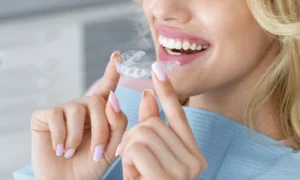
Professional whitening at A1 Dental Surgery uses a take-home system. You come in for an assessment, Dr Banvir checks that your teeth and gums are suitable for whitening, and custom-made trays are taken from precise impressions of your teeth.
The trays matter. Unlike strips or generic mouth guards, custom trays fit exactly to your tooth surfaces, which means the gel reaches every part of the tooth evenly and stays away from the gum tissue. This is what gives professional whitening its consistency.
You then use a professional-grade whitening gel in the trays at home, typically for a set period each day over two to three weeks. The concentration of hydrogen peroxide or carbamide peroxide is calibrated to give results without causing sensitivity, and Dr Banvir will advise on the protocol that suits your particular teeth.
The trays are yours to keep. When you want a top-up in a year or two, you only need to purchase the gel rather than starting from scratch
How much does professional teeth whitening cost at A1 Dental Surgery Canterbury?
Professional teeth whitening at A1 Dental Surgery Canterbury starts from £440. This includes custom-made trays and professional-grade whitening gel to use at home under our supervision. The cost reflects the safety, precision, and longevity of results compared to over-the-counter alternatives.
Teeth Whitening and Sensitivity
Sensitivity during whitening is common and, for most people, temporary. It typically peaks in the first few days and settles as treatment progresses. However, if you already experience sensitivity to hot and cold, the approach needs adjusting.
Patients with existing sensitivity should always flag this at their whitening consultation. Dr Banvir may recommend a lower concentration gel, a shorter wear time per session, or using a desensitising toothpaste alongside treatment. Whitening is not contraindicated for sensitive teeth, but the protocol needs to be tailored.
If you’re unsure whether your teeth fall into this category, our post on why teeth become sensitive to hot and cold gives a clear explanation of the different causes and which are relevant to whitening. And if sensitivity has been your main concern around whitening, it’s worth reading about teeth whitening for sensitive teeth specifically.
Who Teeth Whitening Does and Doesn’t Work For
Professional whitening works well on natural teeth with surface staining or mild-to-moderate yellowing from age or lifestyle. Coffee drinkers, tea drinkers, red wine fans, and anyone who’s simply noticed their teeth aren’t the shade they used to be are the typical candidates, and they typically see clear results.
Whitening will not affect crowns, veneers, composite bonding, or tooth-coloured fillings. These restorations are made from materials that don’t respond to peroxide. If you have visible restorations on your front teeth, this needs discussing at consultation, because whitening your natural teeth without addressing the restorations can result in a mismatch. A lot of patients in this position don’t realise it until they’re partway through treatment.
Teeth with significant intrinsic staining from tetracycline or fluorosis will see more limited improvement. Whitening may still be worthwhile, but expectations need to be realistic, and Dr Banvir will be upfront about that at your assessment rather than promising something the treatment cannot deliver.
Whitening is also not appropriate during pregnancy or breastfeeding, or for anyone under 18.
How Long Professional Whitening Results Last
The patients who keep their results longest tend to share a few habits. They use a straw for cold coffee. They rinse after red wine rather than waiting until bedtime. They have regular hygiene appointments at A1 Dental Surgery, which removes surface staining before it sets in. None of these are dramatic lifestyle changes.
If you’re planning a smile makeover that combines whitening with cosmetic work, the timing matters. Whitening should generally come first, because any bonding, veneers, or composite work will be matched to your final shade. Our upcoming post on composite bonding versus veneers covers how these treatments fit together for patients planning more than one step.
How long does professional teeth whitening last in Canterbury?
Results typically last between one and three years depending on diet, lifestyle habits, and how well you follow aftercare advice. Coffee, red wine, and smoking are the main causes of staining. Top-up whitening using your existing trays is quick and affordable once you have your custom trays
A Practical Note on Whitening Before Special Events
Whitening needs to start at least three to four weeks before an event for the full result to be visible, and for any temporary sensitivity to have settled. Patients from across East Kent, whether they’re travelling in from Deal, Faversham or Herne Bay for a wedding or celebration, should factor that timeline into their planning.
A whitening consultation at A1 Dental Surgery takes around 30 minutes. If trays are being made, there’s usually a second appointment around a week later to collect them. From that point, treatment is done at home on your schedule.
If teeth whitening has been on your mind and you want a straight conversation about whether it’s right for your teeth, book a consultation at A1 Dental Surgery, 52 London Road, Canterbury, Kent CT2 8LF. Call the practice on 01227 765 851 or visit a1dentalsurgery.co.uk Dr Banvir will give you an honest assessment, including whether whitening alone will get you the result you’re after or whether a different approach would serve you better.