Can You Get Teeth Whitening If You Have Sensitive Teeth?
If you have sensitive teeth and want a brighter smile, you’ve probably wondered whether teeth whitening will make your sensitivity worse or whether you should avoid whitening altogether.
It’s a common concern at A1 Dental Surgery. Many patients assume that teeth whitening and sensitivity are incompatible, but that’s not true.
Yes, you can absolutely get teeth whitening if you have sensitive teeth. However, you need to take extra precautions and use appropriate methods designed for sensitive teeth.
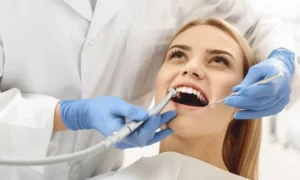
Professional teeth whitening supervised by a dentist is far safer for sensitive teeth than over-the-counter products. We can customize treatment to minimize discomfort while still achieving excellent results.
In this guide, we’ll explain why sensitivity happens during whitening, how to safely whiten sensitive teeth, which whitening methods work best for sensitive patients, and what you can do to reduce sensitivity during and after treatment.
Why Do Teeth Become Sensitive During Whitening?
Understanding why whitening causes sensitivity helps you manage it effectively.
Teeth whitening works by using peroxide (either hydrogen peroxide or carbamide peroxide) to penetrate tooth enamel and break down stains. During this process:
The whitening gel temporarily opens pores in enamel. Your enamel has microscopic tubules that lead to the inner tooth layer (dentin). Whitening gel opens these tubules slightly to reach deeper stains.
Dentin becomes exposed to stimuli. When tubules are open, temperature, sweet foods, or air can reach nerve endings more easily, causing sensitivity.
Nerves react to the whitening process. The chemical reaction of peroxide breaking down stains can stimulate nerve endings temporarily.
Gums can become irritated. If whitening gel contacts gum tissue, it can cause temporary irritation that feels like sensitivity.
This sensitivity is usually temporary, lasting hours to a few days after each whitening session. It’s not permanent damage to your teeth.
Can You Whiten Teeth If They’re Already Sensitive?
Yes, but you need to take a modified approach:
Professional Supervision Is Essential
Over-the-counter whitening products use one-size-fits-all concentrations and application methods. If you already have sensitive teeth, these products often make sensitivity significantly worse.
Professional whitening supervised by a dentist allows customization:
- Lower peroxide concentrations that still work effectively
- Shorter application times to reduce exposure
- Desensitizing treatments before and after whitening
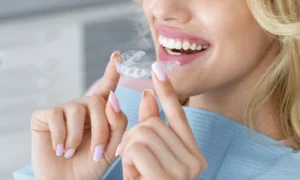
- Custom trays that fit perfectly and prevent gel contacting gums
- Professional monitoring to adjust treatment if sensitivity increases
At A1 Dental Surgery, we regularly whiten teeth for patients with sensitivity, achieving excellent results with minimal discomfort.
Pre-Treatment Matters
Before whitening sensitive teeth, addressing the cause of sensitivity helps:
If sensitivity is from exposed tooth roots: We might recommend composite bonding to cover exposed areas before whitening.
If sensitivity is from grinding: A night guard might reduce sensitivity before you begin whitening.
If sensitivity is from cavities or gum disease: These need treating first. Whitening over untreated decay or infection increases sensitivity significantly.
If sensitivity is from thin enamel: We adjust whitening strength and duration accordingly.
Proper assessment before whitening ensures the safest, most comfortable treatment.
Best Whitening Methods for Sensitive Teeth
Not all whitening methods are equal for sensitive patients:
Professional Take-Home Whitening (Best for Sensitive Teeth)
Take-home whitening with custom trays is often the best option for sensitive teeth because:
Lower peroxide concentrations: We can use 10-16% carbamide peroxide instead of higher concentrations, which works more gently.
Shorter wear times: You might wear trays for 30-60 minutes instead of overnight, reducing sensitivity risk.
Gradual results: Whitening over 2-3 weeks rather than one session prevents overwhelming sensitive teeth.
Flexibility: If sensitivity occurs, you can take breaks between sessions and resume when comfortable.
Desensitizing gel included: We provide desensitizing gel to use before or after whitening sessions.
At A1 Dental Surgery, our take-home whitening systems are popular with sensitive-teeth patients because they offer complete control over the process.
In-Surgery Whitening (With Modifications for Sensitive Teeth)
Professional in-surgery whitening can work for sensitive teeth with modifications:
Lower concentration gel: Instead of the strongest available, we use moderate concentrations.
Shorter sessions: 15-20 minutes per application instead of 30-40 minutes.
Multiple short sessions: Several brief applications with breaks, rather than one long session.
Desensitizing treatment first: Applying desensitizing gel before whitening preparation.
Gum protection: Careful isolation of gums prevents gel contact that increases sensitivity.
In-surgery whitening gives faster results but requires careful management for sensitive teeth.
Whitening Toothpaste (Mildest Option)
Whitening toothpastes designed for sensitive teeth offer very gradual results with minimal sensitivity risk:
How they work: Mild abrasives remove surface stains without penetrating enamel.
Results: Slight brightening over several weeks, not dramatic whitening.
Sensitivity risk: Very low if you choose products formulated for sensitive teeth.
Best for: Maintaining professionally whitened teeth or very gradual improvement.
Whitening toothpaste alone won’t give dramatic results but can be part of a comprehensive approach.
Techniques to Minimize Sensitivity During Whitening
Several strategies reduce sensitivity for sensitive-teeth patients:
Use Desensitizing Toothpaste Before Treatment
Start using desensitizing toothpaste (containing potassium nitrate or stannous fluoride) 2-3 weeks before whitening. This builds up protection in enamel tubules, reducing sensitivity when you start whitening.
Continue using desensitizing toothpaste throughout whitening treatment and for several weeks after.
Apply Desensitizing Gel
Professional desensitizing gel (containing potassium nitrate, fluoride, or calcium phosphate) can be applied:
Before whitening: Blocks tubules and reduces sensitivity risk.
After whitening: Soothes teeth and speeds recovery.
Between whitening sessions: Maintains comfort between applications.
We provide desensitizing gel with all our whitening treatments at A1 Dental Surgery.
Choose Lower Peroxide Concentrations
Higher peroxide concentrations don’t necessarily mean better results, especially for sensitive teeth. Lower concentrations (10-16% carbamide peroxide) still work effectively with:
- Slightly longer wear times
- More gradual results
- Significantly less sensitivity
We match peroxide strength to your sensitivity level.
Shorten Application Times
Instead of wearing whitening trays overnight, sensitive-teeth patients might wear them for:
- 30 minutes per session
- 1 hour per session
- Every other day instead of daily
Shorter, more frequent sessions often work better than longer applications for sensitive teeth.
Take Breaks Between Sessions
If sensitivity develops during whitening, pause treatment for 2-3 days. Your teeth will recover, and you can resume whitening when comfortable.
Results still accumulate even with breaks between sessions.
Avoid Triggers During Treatment
While whitening, minimize sensitivity triggers:
- Very hot or cold foods and drinks
- Acidic foods (citrus, vinegar, fizzy drinks)
- Extremely sweet foods
- Hard foods that require aggressive chewing
Resume normal eating once whitening is complete and sensitivity resolves.
What to Expect: Sensitivity Timeline
Understanding the sensitivity timeline helps you prepare:
Before Whitening Starts
If you already have sensitive teeth, this is your baseline sensitivity level.
During First Whitening Session
Sensitivity might increase slightly during or immediately after your first whitening application. This is normal and usually mild if you’re using appropriate concentrations.
2-4 Hours After Whitening
Sensitivity often peaks 2-4 hours after whitening and then gradually decreases. This is when desensitizing gel is most helpful.
24 Hours After Whitening
Most sensitivity resolves within 24 hours. If using daily whitening, sensitivity might persist at a low level between sessions.
During Treatment Course (2-3 Weeks)
Sensitivity might increase slightly as treatment continues, but good management keeps it tolerable.
After Completing Whitening
Sensitivity usually resolves completely within 2-7 days of finishing whitening treatment. Teeth return to their baseline sensitivity level.
Long-Term (Months After Whitening)
Properly done whitening doesn’t cause permanent sensitivity. Your teeth should feel the same months later as they did before whitening.
Professional vs Over-the-Counter Whitening for Sensitive Teeth
The difference matters significantly for sensitive teeth:
Over-the-Counter Whitening Strips
Sensitivity risk: HIGH
- One-size-fits-all concentrations might be too strong
- Strips don’t fit perfectly, allowing gel to contact gums
- No professional supervision to adjust if sensitivity occurs
- Often use high peroxide concentrations for faster results
- No desensitizing treatment included
Whitening Toothpaste
Sensitivity risk: LOW
- Very mild approach
- Specifically formulated options for sensitive teeth available
- Results are minimal but safe
Professional Take-Home Whitening
Sensitivity risk: LOW TO MODERATE (easily managed)
- Custom trays fit perfectly, preventing gum contact
- Adjustable concentrations for your sensitivity level
- Desensitizing treatment included
- Professional monitoring throughout treatment
- Flexible schedule allowing breaks if needed
Professional In-Surgery Whitening
Sensitivity risk: MODERATE (but professionally managed)
- Gums completely protected during treatment
- Desensitizing treatment before and after
- Immediate professional care if sensitivity occurs
- Results achieved quickly (1-2 sessions)
For sensitive teeth, professional whitening offers far better sensitivity management than DIY options.
When to Avoid Whitening (Even With Professional Treatment)
Some situations require addressing sensitivity before whitening:
Severe untreated sensitivity: If you have extreme sensitivity to temperature or sweet foods, investigate the cause before whitening. Underlying problems (decay, cracks, severe gum recession) need treatment first.
Recent dental work: Wait 2-3 weeks after fillings, crowns, or other dental work before whitening to allow full healing.
Gum disease: Active gum disease increases sensitivity significantly. Treat gum disease first, then whiten.
Pregnancy or breastfeeding: Teeth often become more sensitive during pregnancy. Wait until after pregnancy and nursing to whiten.
Enamel defects: If you have very thin enamel or enamel hypoplasia, whitening might not be appropriate.
Dr Banvir will assess whether whitening is suitable for you during your consultation.
Maintaining Results Without Increasing Sensitivity
Once you’ve achieved your desired whiteness, maintain it without ongoing sensitivity:
Use whitening toothpaste for sensitive teeth: Maintains brightness without peroxide.
Touch-up whitening sparingly: One or two days of whitening every 6-12 months maintains results with minimal sensitivity.
Avoid staining foods and drinks: Coffee, tea, red wine, and dark berries stain teeth. Consume in moderation or rinse after.
Good oral hygiene: Regular brushing and professional cleanings prevent new stains.
Quit smoking: Smoking causes severe staining that requires aggressive whitening to remove.
Proper maintenance means less frequent whitening, which keeps sensitivity minimal.
Will teeth whitening make my sensitive teeth worse permanently?
No. Properly done whitening causes temporary sensitivity that resolves after treatment ends. It doesn’t cause permanent damage or permanent sensitivity. Your teeth return to baseline sensitivity within days of finishing whitening.
What should I do if sensitivity becomes unbearable during whitening?
Stop whitening immediately and contact your dentist. Use desensitizing toothpaste and avoid temperature extremes. In most cases, sensitivity resolves within 24-48 hours of stopping whitening. Your dentist can recommend modifications to make future sessions more comfortable.
Can I use painkillers before whitening to prevent sensitivity?
Taking paracetamol or ibuprofen 30-60 minutes before whitening can reduce sensitivity for some people. However, desensitizing treatments are more effective. Consult your dentist before routinely using painkillers for whitening.
How can I tell if my teeth are too sensitive for whitening?
If you experience severe pain from hot, cold, or sweet foods that lasts more than a few seconds, address this sensitivity before whitening. If your sensitivity is mild and manageable, professional whitening with appropriate modifications should work fine.
Is professional whitening safer for sensitive teeth than home kits?
Yes. Professional whitening allows customization (lower concentrations, shorter times, custom trays), includes desensitizing treatments, and provides professional monitoring. Over-the-counter products offer none of these protections.
How long does sensitivity last after teeth whitening?
For most people, sensitivity resolves within 24-48 hours of each whitening session. After finishing your complete whitening course, sensitivity usually disappears within 2-7 days. Using desensitizing products speeds recovery.
Can you whiten just one tooth if it’s more sensitive?
Yes. If one tooth is significantly more sensitive, we can whiten other teeth and either skip the sensitive tooth or use a lower concentration gel on it. However, this might result in uneven whitening.
Should I avoid whitening if I have receding gums?
Not necessarily. Receding gums expose tooth roots, which are sensitive and don’t whiten like enamel does. We can protect exposed roots during whitening and might recommend composite bonding on severely exposed areas.
Get Your Sensitive Teeth Safely Whitened
If you have sensitive teeth and want a brighter smile, professional whitening at A1 Dental Surgery offers safe, effective results with proper sensitivity management.
During your consultation, we’ll:
- Assess your current sensitivity level
- Identify any underlying causes needing treatment
- Recommend the best whitening method for your situation
- Provide desensitizing treatments
- Create a customized whitening plan
Teeth whitening starts from £440 with options tailored for sensitive teeth.Call our team on 01227 765 851 or visit us at 52 London Road, Canterbury, Kent CT2 8LF to book your consultation.
Serving patients across East Kent: Canterbury, Whitstable, Herne Bay, Faversham, Deal, Dover, Ashford, Ramsgate, Margate, and surrounding areas.